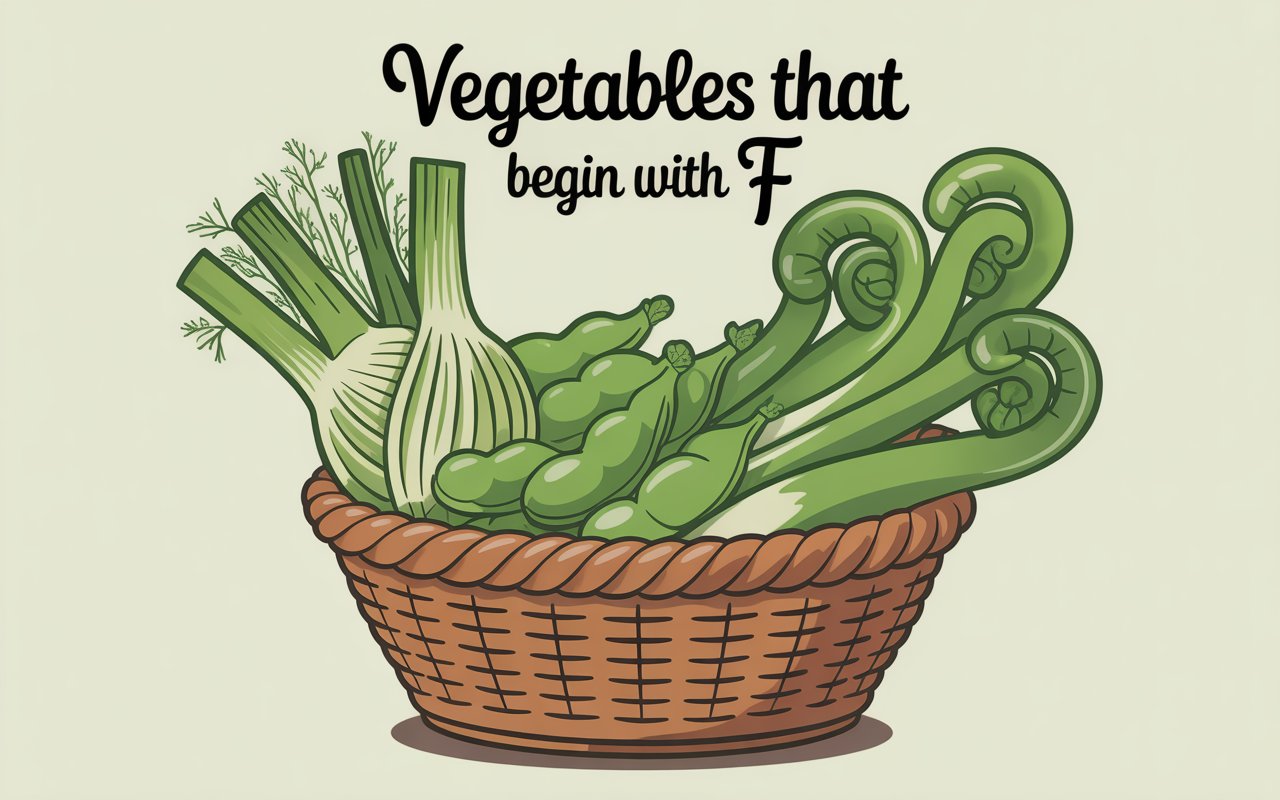
Vegetables That Start With the Letter F: Healthy Picks
Ready to shake up your grocery list with some fresh finds? Exploring vegetables that start with the letter f is a fun way to add color, crunch, and new flavors to healthy meals.
This quick guide spotlights vegetables beginning with f that fit weeknight cooking and meal prep. Think bright salads, cozy soups, and simple sautés that taste great and support your goals.
If you love clean eating and variety, you’ll enjoy this list. You’ll meet classics and a few under-the-radar picks that bring fiber, vitamins, and plant protein to the table.
From fennel with its crisp, lightly sweet bite to fava beans packed with protein and minerals, these options make healthy food feel fresh again. You might even try fenugreek greens for a hearty, earthy twist or tender French beans for easy sides.
Use this as a quick reference when you plan meals, shop the farmers market, or try a new recipe. Whether you need a vegetable that starts with the letter f for a cooking challenge or you just want something new, you’ll find simple ideas you can cook tonight.
Let’s get into the list, keep it practical, and pick the best vegetable starts f for flavor, nutrition, and everyday cooking.
Everyday Vegetables Beginning with F to Try Now
These everyday picks make it easy to cook more greens without fuss. If you are hunting for vegetables that start with the letter f, this list keeps it simple. You will find vegetables beginning with f that taste great, cook fast, and bring real nutrition to weeknight meals.
Fennel: The Crunchy Licorice-Like Bulb
Fennel has a pale, layered bulb, crisp stalks, and delicate fronds. The flavor is mild and anise-like, sweet with a fresh aroma. Eat it raw for crunch or cook it to bring out gentle sweetness.
- How to use: Slice thin and toss into citrus salads, or shave into slaw for a fresh bite. Roast wedges until caramelized, then serve with fish or chicken. Sprinkle chopped fronds like herbs.
- Why it is good: Fennel is rich in vitamin C, supports digestion, and fits well in anti-inflammatory eating patterns. Learn more about fennel’s benefits and recipe ideas from WebMD’s guide to fennel and browse quick, wholesome dishes in these healthy fennel recipes.
- Quick prep tip: Core the bulb, then slice or wedge. Save the fronds for garnish.
Use fennel when you want a crisp salad base or a sweet, roasted side. It plays well with lemon, olive oil, and fresh herbs.
Fava Beans: Nutty Pods Packed with Protein
Fava beans are large green beans inside thick pods. They have two shells, the pod and a waxy skin on each bean. The taste is earthy and slightly nutty.
- How to prep: Split the pods and remove the beans. Blanch for 2 minutes, cool in ice water, then pinch off the skins. This step makes them tender and bright.
- Why it is good: Fava beans deliver plant protein and iron, great for steady energy on a plant-forward plate. Try them warm with olive oil and garlic using this simple Mayo Clinic fava bean recipe.
- How to cook: Simmer into stews, toss with pasta and lemon, or mash into spreads with mint and feta.
- Season: Fresh favas are a spring favorite, so grab them when you see them.
Fava beans make a hearty swap for meat in bowls and salads. The texture is creamy, yet the flavor stays bright.
French Beans: Fresh and Snappy Green Favorites

French beans, often called string beans or green beans, are slender and crisp. The flavor is mild and clean, which makes them a flexible side.
- Nutrition perk: They provide vitamin A for eye health and vitamin K for bone support, plus fiber for fullness.
- Fast cooking: Steam for 3 to 5 minutes until bright green, then toss with olive oil and sea salt. Or stir-fry with garlic and sesame for 4 to 6 minutes until tender-crisp.
- Flavor friends: Lemon zest, toasted almonds, soy sauce, or a dollop of pesto.
Keep a bag on hand for easy sides. They cook fast and taste good with almost any protein.
Fenugreek: Bitter Leaves for Bold Flavors
Fenugreek greens are tender leaves with a slight bitterness and a maple-like aroma. The taste rounds out rich sauces and pairs well with spices.
- Health notes: Fenugreek is used to support blood sugar management and lactation in traditional cooking. Some research suggests benefits, yet talk with your clinician if you have health concerns.
- In the kitchen: Add a handful to curries, dals, and sautéed potatoes. Steep leaves in hot water for a simple tea with honey. A little goes a long way.
- Grow at home: Scatter seeds in a shallow tray, keep moist, then harvest young leaves in 2 to 3 weeks for fresh use.
Fenugreek brings depth to soups and stews, and it fits a balanced, high-fiber rotation.
Use these four to make everyday meals more fun and nutritious. If you need a vegetable that starts with the letter f or a quick vegetable starts f idea, start here. Mix them into salads, toss into soups, or turn them into simple sides. You will add color, crunch, and flavor without extra work.
Unique Vegetables That Start with F for Adventurous Eaters
Ready to go beyond the usual picks? These three finds add new shapes, textures, and clean flavor to your plate. They fit right into healthy cooking and help round out a list of vegetables that start with the letter f. If you are hunting for vegetables beginning with f or a quick vegetable starts f idea, start here.
Fiddlehead Ferns: Curly Shoots with a Spring Twist
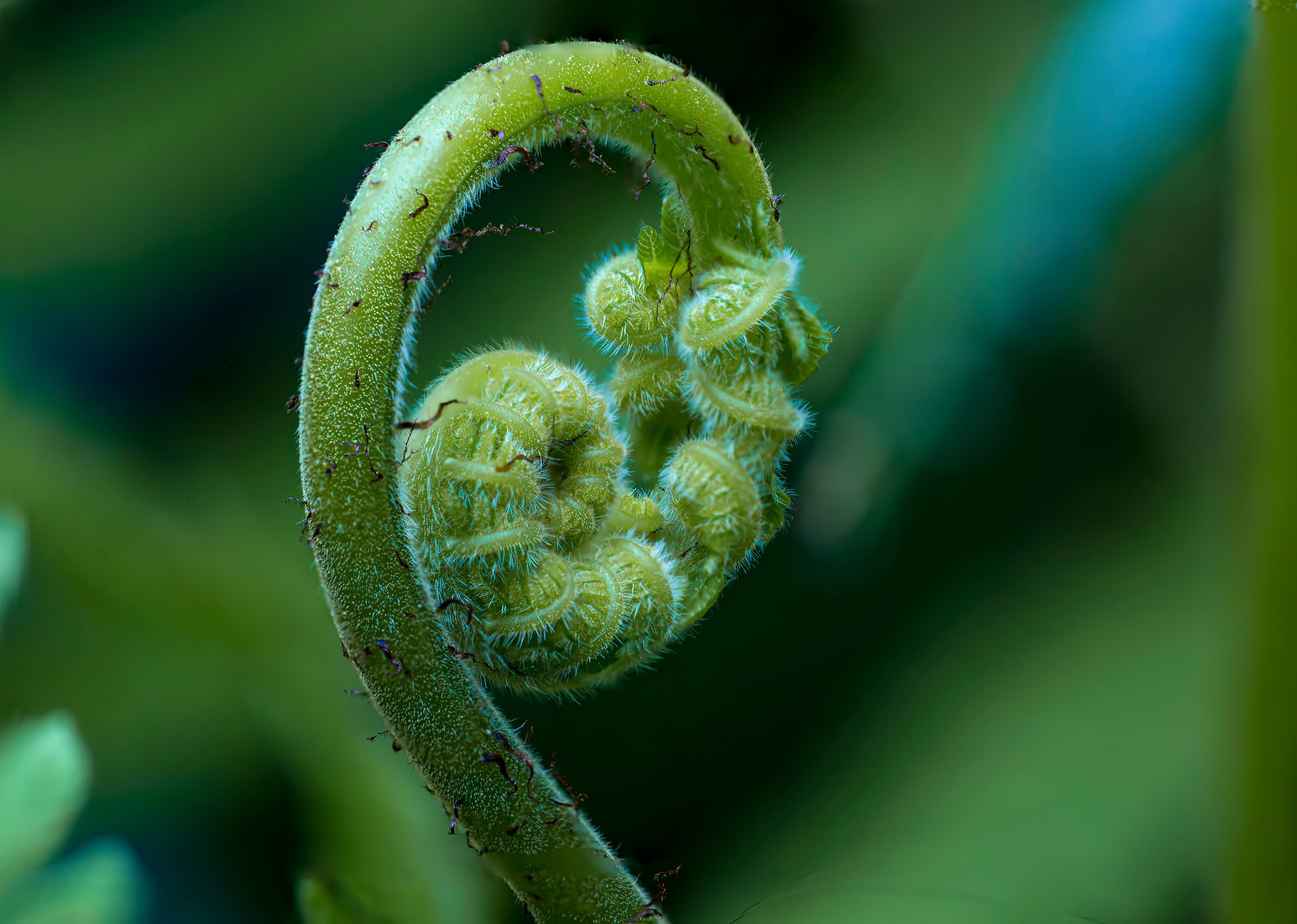
Photo by @coldbeer
These tight, coiled shoots look like tiny green scrolls. The flavor is bright and grassy, close to asparagus, especially when boiled or sautéed. They are a short-season treat, so grab them when you see them.
- Nutrition perks: A source of omega-3s that support heart health, plus fiber and antioxidants. Get a quick overview of benefits from WebMD’s guide to fiddlehead ferns.
- Cook them right: Always wash well, then boil for 10 to 15 minutes. Drain, pat dry, and sauté in olive oil. Proper cooking reduces bitterness and keeps them safe to eat.
- Simple flavor combo: Toss with garlic, lemon, and a pinch of salt. Finish with parsley.
Quick method:
- Rinse in several changes of water to remove grit.
- Boil until tender, then cool.
- Sauté 2 to 3 minutes with olive oil and garlic.
- Add lemon juice and serve warm.
Frisée: Curly Greens with a Peppery Bite
Frisée is a chicory with frilly, pale-green curls and a slight bitter edge. It adds texture and snap to salads. The sturdy leaves hold up to warm toppings and bold dressings.
- Why it is good: Frisée provides folate and vitamin A, helpful for immune support and healthy skin.
- How to use: Mix into salad greens to balance the tang. A mustard or bacon vinaigrette pairs well. For a classic template, try a poached egg salad like this Salad Lyonnaise.
- Shopping tip: It is easy to find year-round in many grocery stores. Look for crisp, perky leaves.
Beginner salad idea:
- Frisée, baby spinach, toasted almonds, shaved Parmesan
- Dijon vinaigrette, lemon, and black pepper
Fingerling Potatoes: Small Tubers Full of Flavor
Fingerlings are small, elongated potatoes with thin skins and a waxy texture. They roast up creamy inside with a buttery taste and golden edges.
- Nutrition boost: A good source of potassium and vitamin B6, which support muscle function and energy metabolism.
- Why they work: Hold their shape when roasted or tossed in salads. Great as a healthy carb swap for fries.
- Flavor pairings: Rosemary, thyme, smoked paprika, or garlic.
Easy roasted fingerlings:
- Halve lengthwise and toss with olive oil, salt, and pepper.
- Add chopped rosemary and minced garlic.
- Roast at 425°F for 20 to 25 minutes, cut side down, until crisp and tender.
- Finish with lemon zest for a bright finish.
Mix these three into your weekly rotation when you want a vegetable that starts with the letter f and some fresh flavor without extra work.
Health Perks and Tips for Vegetables Starting with F
This quick refresher pulls together what these vegetables beginning with f bring to the table and how to get more of them into daily meals. Think fennel, fava beans, French beans, fenugreek, fiddlehead ferns, frisée, and fingerling potatoes. Mix a few at once for color, crunch, and balance. If you are collecting vegetables that start with the letter f for meal prep, this guide helps you use them well.
Boost Your Nutrition with These F-Veggies
F-based veggies share a lot of the same perks, even though they taste very different. Add them in small, steady amounts and you will feel the difference.
- Shared strengths: Most are high in fiber, vitamin C, folate, potassium, and antioxidants. That combo supports gut health, immunity, and steady energy.
- Weight-friendly: Many are low in calories and naturally hydrating, good for portions that satisfy without tipping your goals.
- Digestion support: Fiber feeds a healthy gut and helps with regularity. Beans add plant protein that also keeps you full. For a deeper overview of bean benefits, see this breakdown of health benefits of legumes.
- Heart and metabolic health: Fava beans supply minerals and fiber that support cholesterol and blood pressure. They may also help with weight control when used in place of refined carbs, as reviewed in this guide to the benefits of fava beans.
- Stronger immunity: Frisée, French beans, and fennel bring vitamin A and C that support skin and immune function.
Smart shopping and storage make these wins stick:
- Buy in season for best flavor. Spring is great for fennel and fiddleheads, summer favors green beans, and fingerlings are strong year-round.
- Store leafy picks (frisée, fenugreek) in a breathable bag with a paper towel to manage moisture. Keep fennel bulbs wrapped and chilled, fronds separate.
- Use beans fresh within a few days, or keep cooked portions in airtight containers for quick toss-ins.
Tip for busy weeks: Create a “green base” box with sliced fennel, blanched French beans, and washed frisée. You can build salads or bowls in minutes.
Simple Ways to Add Them to Your Meals
Keep prep short and flavors bright. Rotate a few of these ideas through your week.
- Fennel in slaws: Shave fennel, toss with lemon, olive oil, and a pinch of salt. Add apple or orange for a sweet pop.
- Beans in salads: Use cooked fava beans or blanched French beans for texture and protein. Finish with herbs, feta, and a squeeze of lemon.
- Ferns in omelets: Boil fiddlehead ferns until tender, then sauté with garlic. Fold into eggs with goat cheese.
- Frisée for crunch: Add a handful to any salad or grain bowl. Warm dressings cling well and balance the slight bitterness.
- Fingerling sheet pan: Halve, oil, and roast with rosemary. Serve with salmon or tofu for a steady, satisfying plate.
- Fenugreek in stews: Stir a small handful into lentil soup or potatoes to add depth.
- Fast stir-fry: Mix sliced fennel and French beans in a hot skillet with ginger and soy. Serve over brown rice.
- Smoothie booster: A little fennel adds light sweetness to a green smoothie. Pair with pineapple, lemon, and mint.
Keep it simple and consistent. If you want a practical plan for vegetables that start with the letter f, batch-cook beans, prep a crunchy slaw, and roast a tray of fingerlings. Your meals will support better digestion, stronger immunity, and easier weight management without extra work.
FAQ: Common Questions on Vegetables That Start with the Letter F
Curious about vegetables beginning with f and how to use them? This quick Q&A clears up common questions on taste, safety, protein, and shopping tips. Use it as a practical guide while you explore a new vegetable that starts with the letter f.
What Are Some Vegetables Beginning with F?
Here are easy examples of vegetables that start with the letter f you can cook this week:
- Fennel: Crisp and lightly sweet with a mild anise flavor, great raw or roasted.
- Fava beans: Creamy, nutty beans that bring plant protein to salads and stews.
- French beans: Slim, tender green beans that cook fast and stay snappy.
- Fenugreek: Earthy, slightly bitter greens that add depth to curries and stews.
- Fiddlehead ferns: Spring shoots with an asparagus-like taste when cooked well.
- Frisée: Frilly, slightly bitter chicory that loves bold dressings.
- Fingerling potatoes: Small, waxy potatoes that roast up buttery and golden.
Want more ideas for a vegetable starts f? Try one new pick each week and see what sticks.
Are Fiddlehead Ferns Safe to Eat?
Yes, fiddlehead ferns are safe when cooked well. They should never be eaten raw. To reduce natural toxins and the risk of foodborne illness, boil them thoroughly.
- Prep and safety: Rinse several times to remove grit. Boil for 10 to 15 minutes, then drain. Pat dry and finish by sautéing with olive oil, garlic, and lemon.
- Why cooking matters: Proper boiling helps remove toxins and lowers your risk of getting sick. Review official guidance in these food safety tips for fiddleheads.
- Health rewards: Once cooked, they offer fiber and antioxidants, plus a bright, grassy flavor that wakes up simple plates.
How Do I Cook Fennel for Beginners?
Roasting fennel is simple and boosts its natural sweetness. Here is a basic method that keeps the flavor clean and the texture tender.
- Trim and core: Slice off stalks and fronds, save fronds for garnish. Cut the bulb in half, remove the core, then slice into 1-inch wedges.
- Season: Toss wedges with olive oil, salt, and pepper. Add lemon zest or thyme if you like.
- Roast: Spread on a sheet pan, cut sides down. Roast at 400 to 425°F for 40 to 50 minutes, flipping once, until caramelized and tender.
- Finish: Squeeze lemon over the top and add chopped fronds.
Cooked fennel tastes milder and sweeter than raw, with a soft, silky bite. For a clear walkthrough, see this simple roasted fennel recipe.
Which F-Veggie Has the Most Protein?
The top protein pick is fava beans. One cup of cooked fava beans offers solid plant protein plus iron and fiber. Fenugreek leaves add some protein, but not as much as beans. Compared with fennel, frisée, French beans, and fiddleheads, fava beans win for protein density per serving.
- Best for satiety: Fava beans hold up well in bowls, stews, and salads.
- Easy pairing: Mix with whole grains, herbs, and olive oil for a balanced plate.
Where Can I Find These Vegetables?
You can find vegetables beginning with f in many places once you know where to look.
- Farmers markets: Best for seasonal finds like fiddlehead ferns and fresh fava beans.
- Grocery stores: Look for fennel, French beans, frisée, and fingerling potatoes in the produce aisle.
- Ethnic markets: South Asian and Middle Eastern stores often carry fenugreek (called “methi”) fresh or frozen.
- CSA boxes: Spring shares may include fennel, beans, and specialty greens.
- Grow at home: Fenugreek grows fast from seed in pots. French beans thrive in warm weather with full sun and regular watering.
If you want a vegetable that starts with the letter f for a new recipe, shop in season, ask the produce staff for help, and try one new item each trip.
Conclusion
Vegetables that start with the letter f bring easy wins for flavor, fiber, and fresh meals, from fennel and fava beans to frisée, French beans, fenugreek, fiddleheads, and fingerlings. These vegetables beginning with f fit weeknight cooking, support better health, and keep your plate interesting without extra work.
Pick one or two to try this week, maybe a fennel slaw and roasted fingerlings, or a quick French bean sauté. Share your favorite vegetable that starts with the letter f in the comments, and save this list for meal planning when you need a fast vegetable starts f idea.
Small swaps build strong habits. Keep it simple, cook what you enjoy, and let these F-veggies make healthy eating feel fresh.