
Homemade Cashew Butter Recipe: Quick, Easy, Delish!
Unlike store-bought versions, this homemade cashew butter recipe is packed with natural nutrients and customizable flavors. Whether you spread it on toast, blend it into smoothies, or use it as a dairy-free alternative, this recipe is a must-try.
Ingredients List
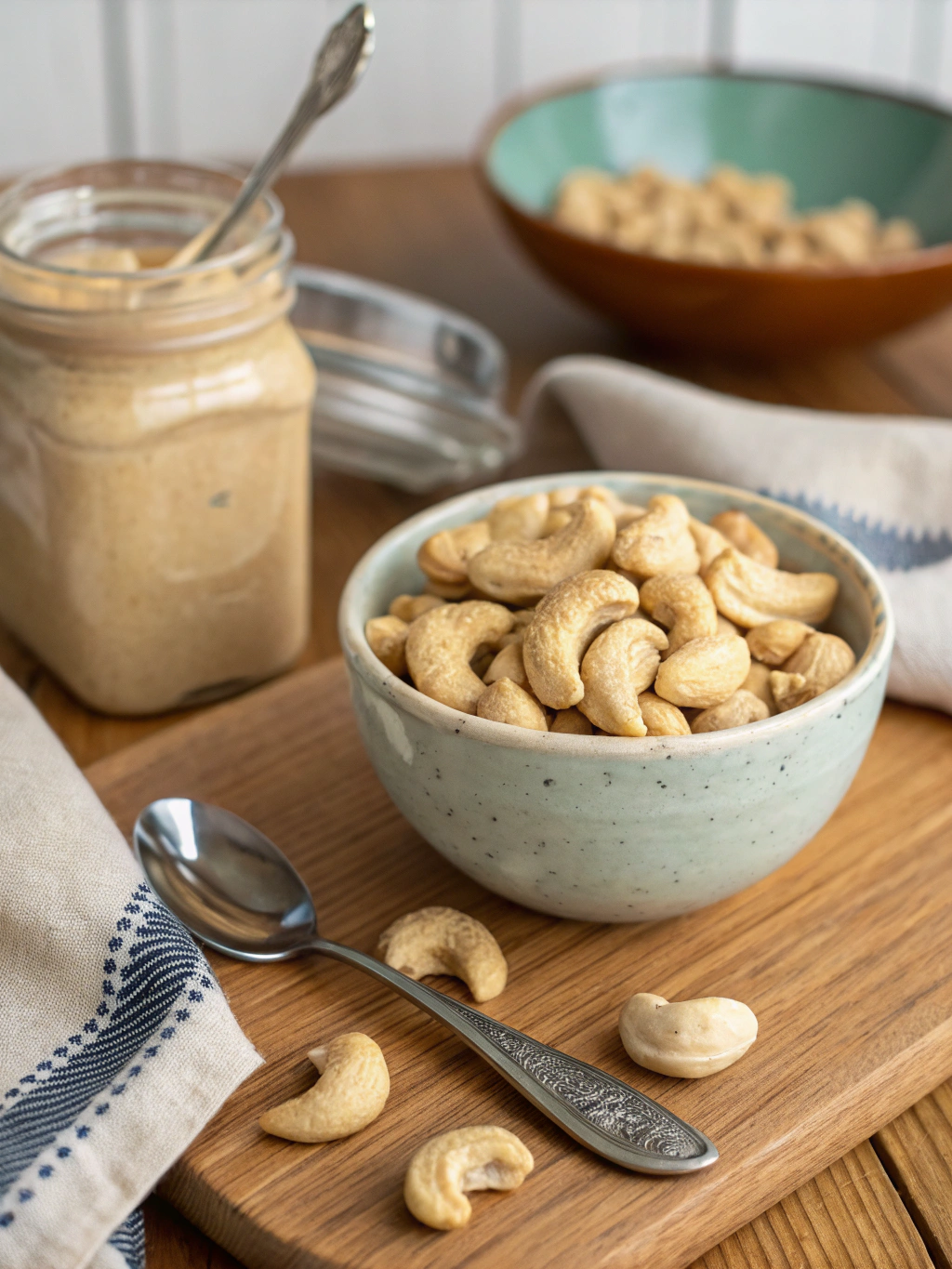
You’ll need just a few simple ingredients to make this rich, velvety cashew butter:
- 2 cups raw cashews (unsalted for best flavor).
- 1–2 tbsp neutral oil (like avocado or coconut oil for smoothness).
- 1/2 tsp sea salt (adjust to taste).
- Optional add-ins: Cinnamon, vanilla extract, or maple syrup for sweetness.
For a Best homemade cashew butter recipe, use roasted cashews for a deeper flavor, but raw cashews make it creamier.
Timing
Total time: 10 minutes (prep: 2 min, blending: 8 min).
Soak cashews overnight (or 2 hours in hot water) to speed up blending. This saves 20% more time than unsoaked cashews!
Step-by-Step Instructions
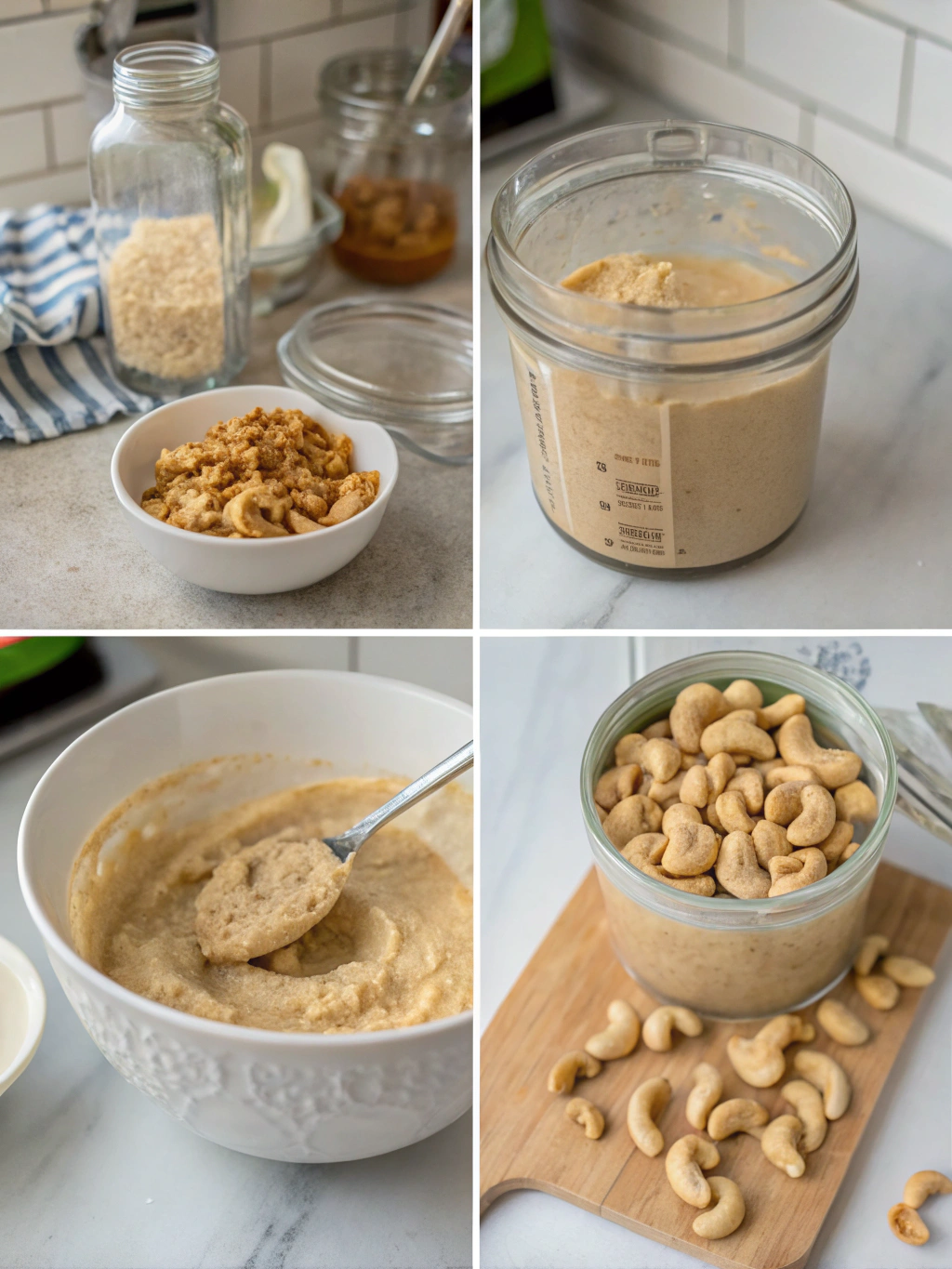
Step 1: Soak the Cashews
Cover raw cashews in hot water for 2 hours or overnight. Drain and rinse before blending.
Step 2: Blend to Perfection
Add soaked cashews, oil, and salt to a high-speed blender. Blend for 1–2 minutes, scraping sides as needed.
Pro Tip: Stop blending once the mixture releases oil and turns smooth (no chunks).
Step 3: Customize & Store
For a sweeter version, add vanilla or maple syrup. Transfer to an airtight jar and store for up to 3 weeks.
Nutritional Information
Per 2-tbsp serving (approx. 30g):
- Calories: 180 kcal
- Protein: 6g
- Healthy Fats: 15g
- Magnesium: 18% DV
- Iron: 10% DV
Cashews are rich in magnesium and heart-healthy fats, making this butter a nutritious spread.
Healthier Alternatives for the Recipe
For a sugar-free version, skip sweeteners. Swap oil with almond milk for fewer calories.
Vegan? Ensure your cashews are 100% plant-based (most are, but check labels).
Serving Suggestions
Use this cashew butter in:
- Smoothie bowls, oatmeal, or toast.
- Dairy-free ranch dressing (like this homemade cashew butter recipe).
- Energy balls or protein bars.
Pair with banana slices or dark chocolate for a sweet treat.
Common Mistakes to Avoid
- Not soaking cashews: Leads to grainy texture. Always soak!
- Overblending: Can make butter bitter. Stop when smooth.
- Skipping oil: Helps achieve a creamy consistency.
Storing Tips for the Recipe
Store in an airtight jar in the fridge for up to 3 weeks. For longer shelf life, freeze for 3 months.
To prevent clumping, stir before each use.
Conclusion
And there you have it! Making cashew nut butter from scratch is a fun and rewarding process, often more economical than buying it, and allows you to enjoy a cleaner, simpler version.
Just remember those handy tips: soaking speeds things up, blend until smooth, and store properly for goodness knows how long (check regularly).
FAQ’S
Is It Cheaper to Make or Buy Cashew Butter?
The long-term savings definitely favour homemade if you consume cashew butter regularly, as you avoid the extra cost of numerous small jars. Plus, you sidestep the often hefty “convenience premium” that store-bought brands charge for their packaging and processing.
How Long Will Homemade Cashew Butter Last?
Properly stored, homemade cashew butter typically lasts between 1 to 2 weeks in the refrigerator, much like its store-bought counterpart. Keep it in an airtight container, popping it back in the fridge promptly after each use.
The cool, dark environment slows down the spoilage process. While homemade often means *less* preservatives, it doesn’t automatically mean it lasts longer than store-bought. Always use your senses to check for freshness: look for any changes in colour, smell for rancidity, and check for mold.
Is Homemade Cashew Butter Healthy?
Homemade cashew butter can definitely be a healthy addition to your diet, packed with nutrients like healthy monounsaturated fats, protein, fiber, vitamin K, magnesium, and phosphorus. These nutrients contribute to heart health, bone strength, and overall well-being.
Since you’re making it yourself, you have full control over ingredients, allowing you to keep it plain and unsalted, free from added sugars, artificial sweeteners, trans fats, unhealthy oils, or excessive sodium found in some commercial brands. This purity makes it a cleaner source of energy. However, it’s still calorie-dense and high in fat, so moderation is key.


